
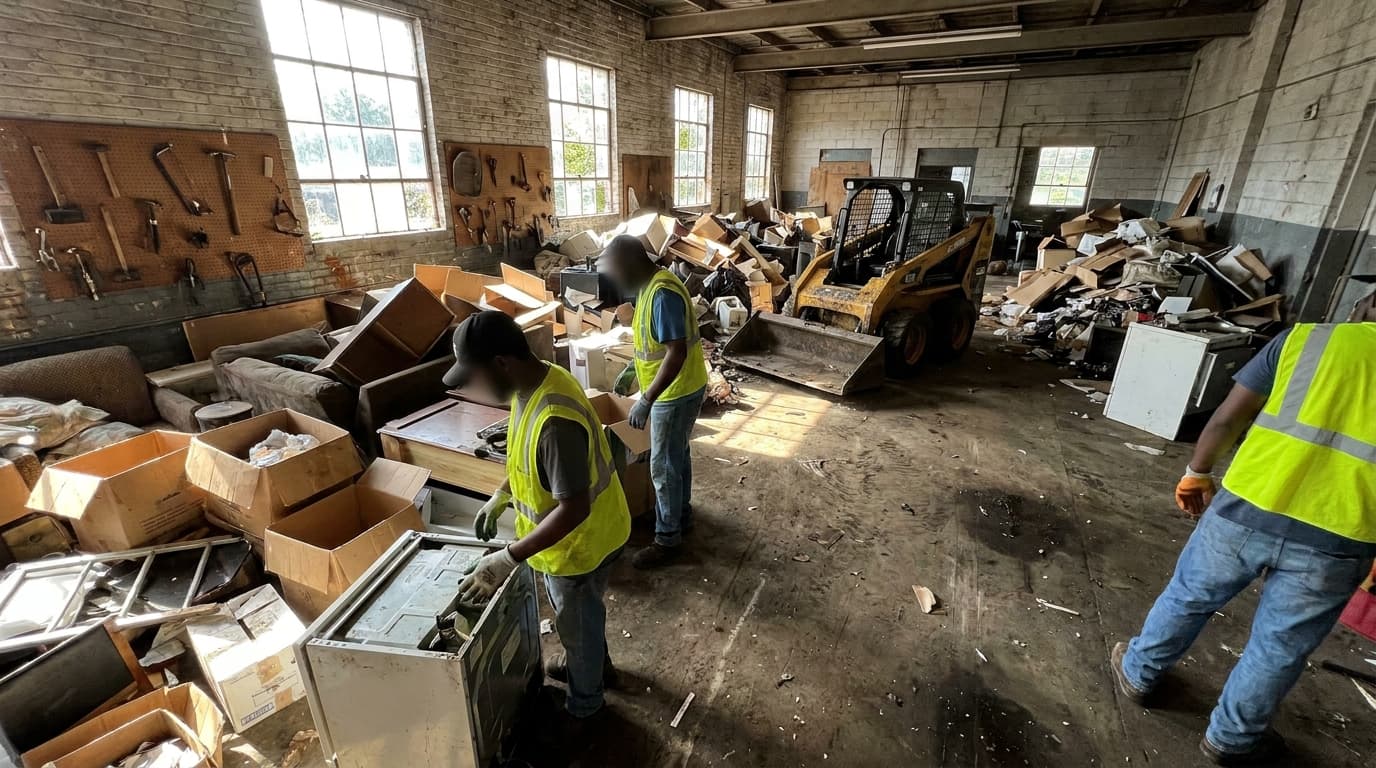
Coastal junk is not metro junk with a different city name. Humidity, flood zones, and storm debris force a split that a dry Fulton garage does not. If you are an executor clearing a house after a storm, or an owner hauling a damp estate, the first labor is separation. Yard debris and tree limbs travel apart from sofas and dressers. Structural material that took on water is not “just more furniture.” Dean Forest is allowed to refuse the mix.
- Limbs, leaves, and yard debris get their own pile before anything is loaded.
- Storm-damaged structural material is identified, not hidden under bags.
- Residential bulky waste, once it is actually that category, is $42.50 per ton at Dean Forest.
The rule in the flood zone
Chatham County Code Chapter 13-102, as this note uses it, requires separate processing for storm-damaged materials and for bulky furniture clearouts in coastal flood zones. The operating rule is that yard debris and tree limbs from an estate clearance are separated from household furnishings before transport. The county chapter to read is here: Chatham County Code of Ordinances, Chapter 13, solid waste. The page paraphrases that duty. It does not add a sentence about paint, chemicals, or a hauler license number the chapter extract in this brief does not contain.
Answer the card honestly if the clearout has moisture-damaged or storm-impacted structural material. Yes does not refuse you. It tells the hauler to plan two streams inside the job. No means you still separate ordinary yard debris from furnishings, because that split is the estate rule even when the house was not flooded. An executor who is also the signer can make that call. So can the owner or the lead operator.
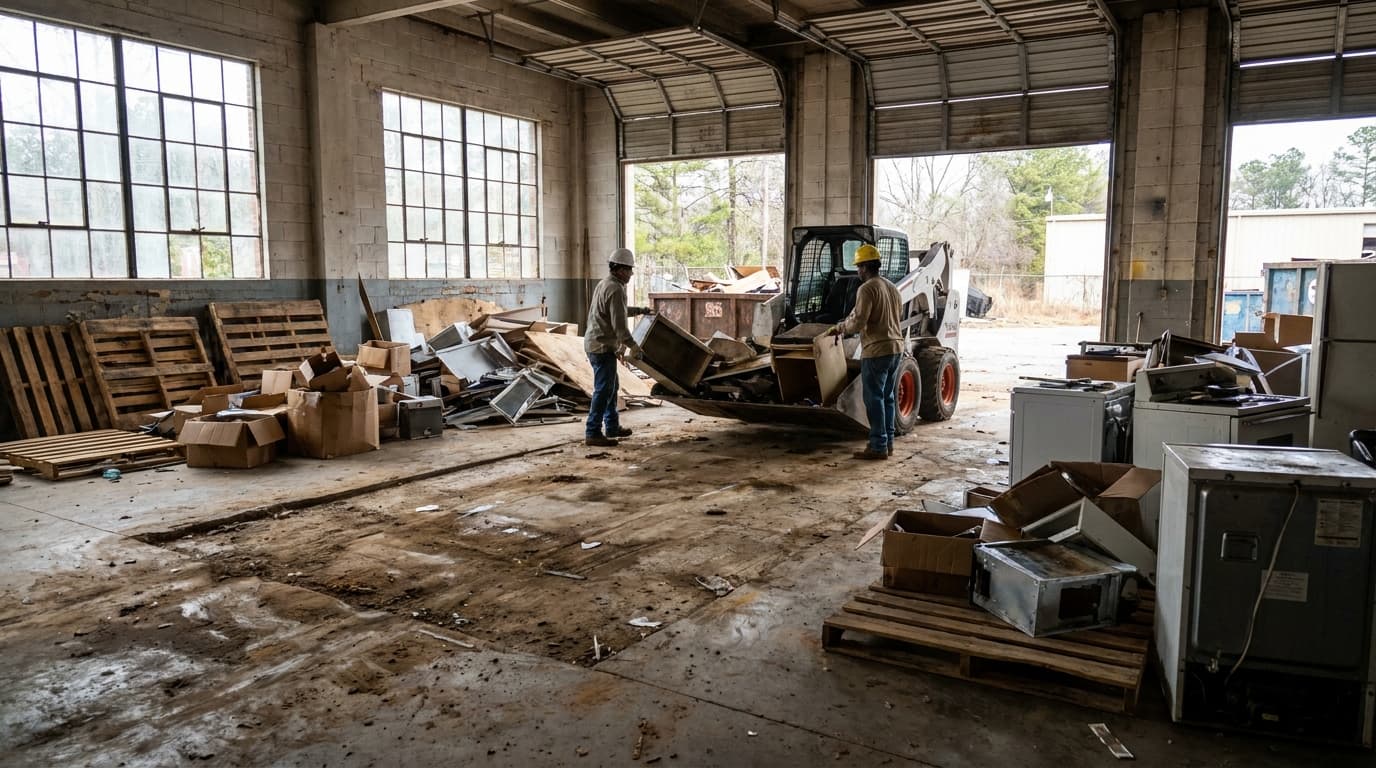
What happens if the streams are mixed
Dean Forest can refuse entry. If a mixed load is not simply waved off, the named money consequence is a double scale fee. This note does not publish the doubled dollar amount, so do not let a crew invent “double $42.50” as if the ordinance had done that math for every category. Refusal is the cleaner reading: you still have the pile, and you have paid the truck to drive to a gate that said no. On a coastal estate, that second attempt usually means re-sorting wet material in the yard, which is slower than sorting it dry the first morning.
Who signs, what it costs, and how the next counties differ
| Item | What this note says |
|---|---|
| Who signs | Property owner, executor, or lead junk operator. |
| Fee | $42.50 per ton for residential bulky waste at Dean Forest Landfill. |
| If you skip it | Refusal of entry, and double scale fees for mixed loads. |
| How the next counties differ | Effingham and Bryan run smaller rural collection centers that prohibit commercial triple-axle trailer dumping. They are not given pages here. |
Effingham and Bryan are the geographic neighbors, and they are a different machine: smaller rural collection centers that will not take a commercial triple-axle trailer. That single constraint is enough to keep a Savannah-area estate from assuming the next county’s center is a backup gate. This site does not publish notes for those counties, because a swapped city name without its own cited rule is the failure this desk refuses to ship. Richmond County, farther inland, is a permit-and-manifest system at $48.00 per ton and is the other published note if you are comparing a military turnover to a coastal estate. Do not haul a Chatham mix to Augusta to dodge a sort.
Checklist for a Chatham estate
- Walk the yard and the house as two inventories.
- Stack limbs and yard debris away from furnishings.
- Mark moisture-damaged structural material before the crew arrives, and answer that question on the card.
- Name the signer: owner, executor, or lead operator.
- Plan on $42.50 per ton only for residential bulky waste that Dean Forest can accept as that category.
- Do not treat paint and garage chemicals as answered. The cited chapter is silent, and hazardous industrial waste is a refusal.
The fee this document actually names
$42.50 per ton for residential bulky waste at Dean Forest Landfill is the tipping figure. There is no Chatham hourly timeline in the note, and there is no published commercial ton rate beside it. Double scale fees are named as a consequence without a second number. Storm processing is a separation duty, not a calendar promise. If the estate is large enough to be a multi-truck haul, the service band’s high end is $1,800 for that kind of crew, and the tons are still the landfill’s figure. Keep them in separate columns when you compare a callback.
Questions people ask before they send the job
How much does it cost to haul away estate junk in Chatham County?
Two different numbers get confused. The haul band used on the service note is $150 for a minimum load and $1,800 for a full multi-truck estate. The disposal figure named for Chatham is $42.50 per ton for residential bulky waste at Dean Forest Landfill. An estate can be both: crew and trucks inside the band, tons at $42.50 if the waste is the residential bulky category this note names. A mixed load that the landfill refuses does not get a cheaper blended rate. It can be charged a double scale fee instead.
Does the Savannah or Chatham landfill accept paint or chemicals from garage cleanouts?
The chapter cited on this page does not say. It requires yard debris and tree limbs to be separated from household furnishings, and it requires separate processing for storm-damaged material and bulky furniture in coastal flood zones. Paint and garage chemicals are not given an acceptance line, a ban line, or a fee. Hazardous industrial chemical waste is outside this service entirely. If the garage is mostly paint and solvents, do not send it as ordinary estate junk and hope Dean Forest improvises.
How are storm debris haulers permitted in Chatham County?
This note does not publish a permit application, a decal name, or a fee for the permit itself. It does require separate processing for storm-damaged materials and for bulky furniture clearouts in coastal flood zones. The practical duty is the split: limbs and yard debris apart from furnishings, moisture-damaged structural material identified before the truck is loaded. The signer can be the property owner, the executor, or the lead operator. A hauler who says the coast is “just like Fulton” is ignoring the storm split.
What is the tipping rate at Dean Forest Landfill?
$42.50 per ton for residential bulky waste. That is the only tipping figure this Chatham note names. It does not publish a commercial ton rate, a minimum ticket, or the dollar amount of the double scale fee charged when a mixed load is still accepted on penalty. Refusal of entry is the other outcome. If your quote uses a different Dean Forest number, ask which waste category they are using, because this page will not average categories that the note does not list.